Revamp Your Outdoor Space: Expert Garden Design Offerings
Transforming outdoor spaces is a difficult endeavor. Many face challenges including subpar soil, limited sunlight, or fuzzy concepts for their landscape. Expert landscape designers offer tailored solutions that handle these difficulties. They deliver a wealth of knowledge about local plant life and sustainable practices. Their proficiency can make a significant difference. What are the key benefits of hiring these professionals, and how can they uplift your landscape enjoyment? The explanations may astound you.
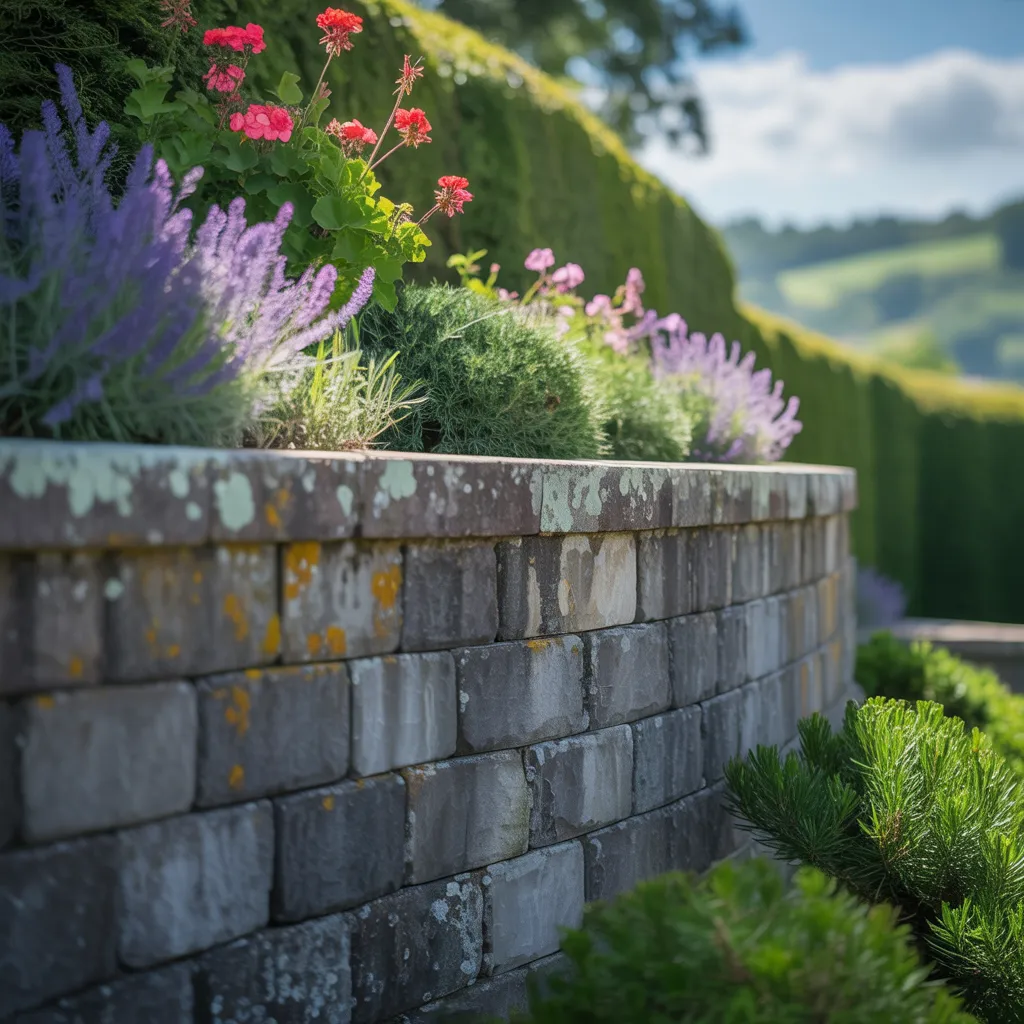
Standard Landscape Design Issues
When commencing on outdoor landscaping, many encounter difficulties that can hinder the process. One frequent problem is insufficient preparation, which can cause disconnected goals and execution. Homeowners often struggle to juggle aesthetics with functionality, creating spaces that may look appealing but fail to serve their desired function. Additionally, understanding the local weather conditions and earth composition can pose challenges; inappropriate vegetation selections may lead to stunted development or maintenance issues.
Financial constraints also present a major challenge, as many overlook the costs needed for labor and materials. Schedule management becomes crucial, with delays in construction schedules commonly occurring from unforeseen complications. Lastly, navigating zoning laws and regulations can introduce another dimension of complexity, typically necessitating permits or compliance with specific standards. These obstacles can dishearten individuals, stressing the value of a well-structured strategy to design planning.
Why Choose Talented Landscape Designers?
Understanding the challenges of landscape design can often intimidate even the most devoted homeowners. Multiple factors, such as choice of vegetation, landscape terrain, and irrigation systems, must be harmonized to develop a consistent outdoor space. Expert landscape designers possess the preparation and experience necessary to manage these intricacies effectively. They understand the local climate, soil type, and local plants, ensuring the designs are both sustainable and aesthetically pleasing.
Also, experts bring forth a impressive selection of creative ideas and forward-thinking solutions that serve individual preferences and lifestyle needs. They are able to imagine the potential of a setting, transforming typical outdoor spaces into breathtaking garden vistas. Coordination between building professionals and adherence to local codes are relevant aspects where their expertise becomes vital. Finally, employing an professional landscaper eases the strain of trial and error, enabling homeowners to delight in a expertly crafted outdoor environment tailored to their unique vision.
Leading Benefits of Contracting Professional Landscape Designers
Bringing in professional landscape designers offers several benefits that can improve any exterior space. First, their expertise guarantees that concepts are not only visually attractive but also functional, considering factors like drainage, sunlight, and plant compatibility. This knowledge helps avoid expensive errors that can stem from DIY efforts.
Additionally, professional designers provide availability of materials and services, such as quality materials and skilled labor, which can enhance the overall quality of the undertaking. They can also provide tailored solutions that showcase individual preferences while complying with regional codes and environmental considerations.
Additionally, the teamwork with a designer allows homeowners to express their vision successfully, producing a unified and balanced landscape. This partnership often generates creative solutions that homeowners might not have considered, enhancing the potential of the outdoor area. Ultimately, hiring a professional landscape designer transforms an standard area into an expertly designed environment.
Imaginative Guidance for Your Backyard Space
Converting an outdoor space into a dynamic retreat can be realized through a variety of creative ideas that meet personal tastes and useful needs. Incorporating diverse plant species can bring texture and color, while wall gardens expand space and create a stunning visual impact. Outdoor seating areas can be enhanced with relaxing furniture, perfect for rest or entertaining guests.
Water features, such as fountains or small ponds, introduce soothing sounds and draw in wildlife, enhancing the overall atmosphere. Utilizing outdoor lighting strategically can accentuate key elements and prolong usability into the evening.
Walkways constructed using natural stone or recycled materials can guide visitors throughout the outdoor area, establishing a welcoming ambiance. Moreover, functional elements such as elevated garden beds or exterior cooking spaces can boost both aesthetics and practicality, ensuring the space is not only attractive but also flexible for multiple activities.
Guidelines for Keeping Your Landscape Design
Effective preservation is important for maintaining the charm and functionality of any outdoor garden. Regularly evaluating plants for well-being is essential; decaying or pathogenic foliage should be promptly removed to prevent further transmission. Furthermore, proper watering techniques, designed for the needs of specific plants, can greatly enhance growth and vitality.
Mulching prevents weeds and preserves soil moisture, rendering it a beneficial practice. Seasonal pruning stimulates healthy growth and maintains desired shapes. Moreover, periodic fertilization delivers important nutrients, guaranteeing that plants flourish throughout the year.
Landscape components such as trails in-depth guide and patios should be copyrightined for harm. Routine upkeep and repairs can avert deterioration and boost aesthetic appeal. Finally, watching for pests and implementing appropriate treatments can protect the landscape's durability. By following these guidelines, residents can ensure their outdoor areas continue to be inviting and well-kept for years to come.

Commonly Asked Concerns
What Timeframe Can You Anticipate for a Landscape Design Project?
A typical landscaping project typically takes between two to eight weeks, depending on the complexity of the design, ground conditions, and the supply of materials and workforce, ensuring a comprehensive planning and implementation approach.
What Does Professional Landscape Design Services Cost on Average?
The typical price of professional landscape design services generally falls from $2,000 to $7,000, depending on project size, complexity, and location. Factors such as materials and labor can greatly influence the ultimate cost.
Are Landscape Designers Regulated Licensed or Certified Professionals?
Landscape designers are not generally mandated to be licensed or certified; however, many opt to obtain degrees or certifications in landscape architecture, which can improve their credibility and expertise in the field.
Can I incorporate existing Plants Into the New Design?
Certainly, current vegetation can be integrated into a new plan. Skilled landscape designers regularly assess existing plants to improve aesthetics and functionality, ensuring that established plants complement the overall vision of the garden area.
What Criteria Must I Look for in a Landscape Design Portfolio?
When copyrightining a landscape design portfolio, one should look for creativity, diverse stylistic approaches, successful integration of plants, meticulous care, clear project documentation, and feedback from past customers to gauge overall satisfaction and effectiveness.